Bap. 18th February 1795 – 24th December 1878
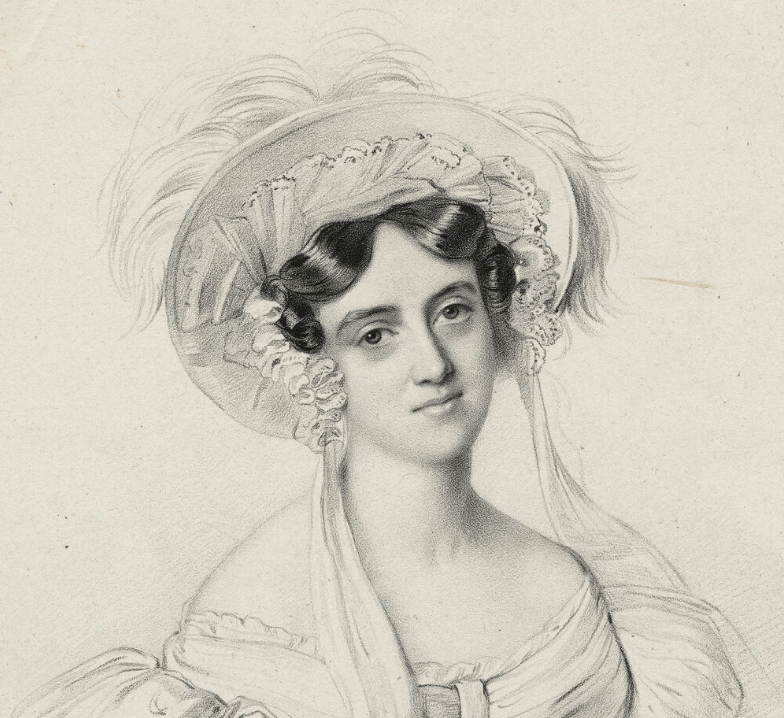
Lucy Anderson was an English pianist. Born Lucy Philpot in Bath, Somerset, her exact date of birth is unknown at present but the timing of her baptism, which is known, would suggest she was born around Christmas time 1794. Her father, John Philpot, was a music seller and her mother was also Lucy, née Crouch.
Lucy received piano lessons from William Crotch, a renowned musician of the time and a former child prodigy; Crotch played the organ for King George III at the age of 3. Lucy gained fame as a pianist in Bath before moving to London in 1818. Two years later in the July of 1820 she married the violinist George Frederick Anderson.
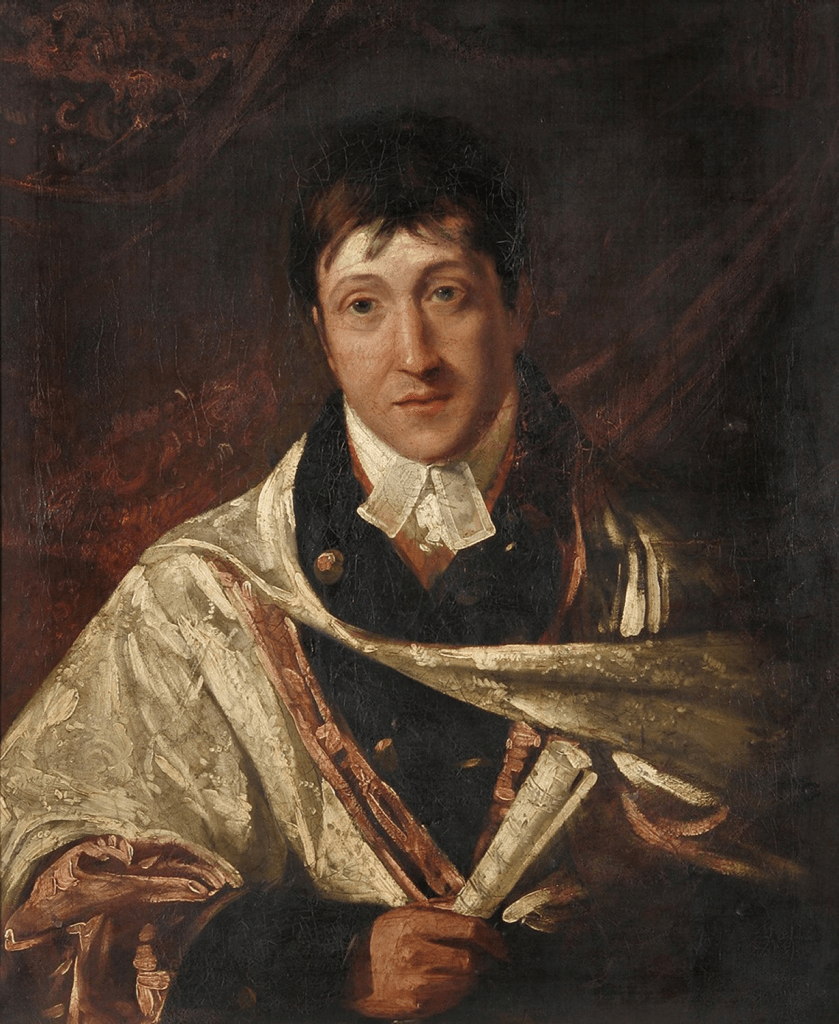
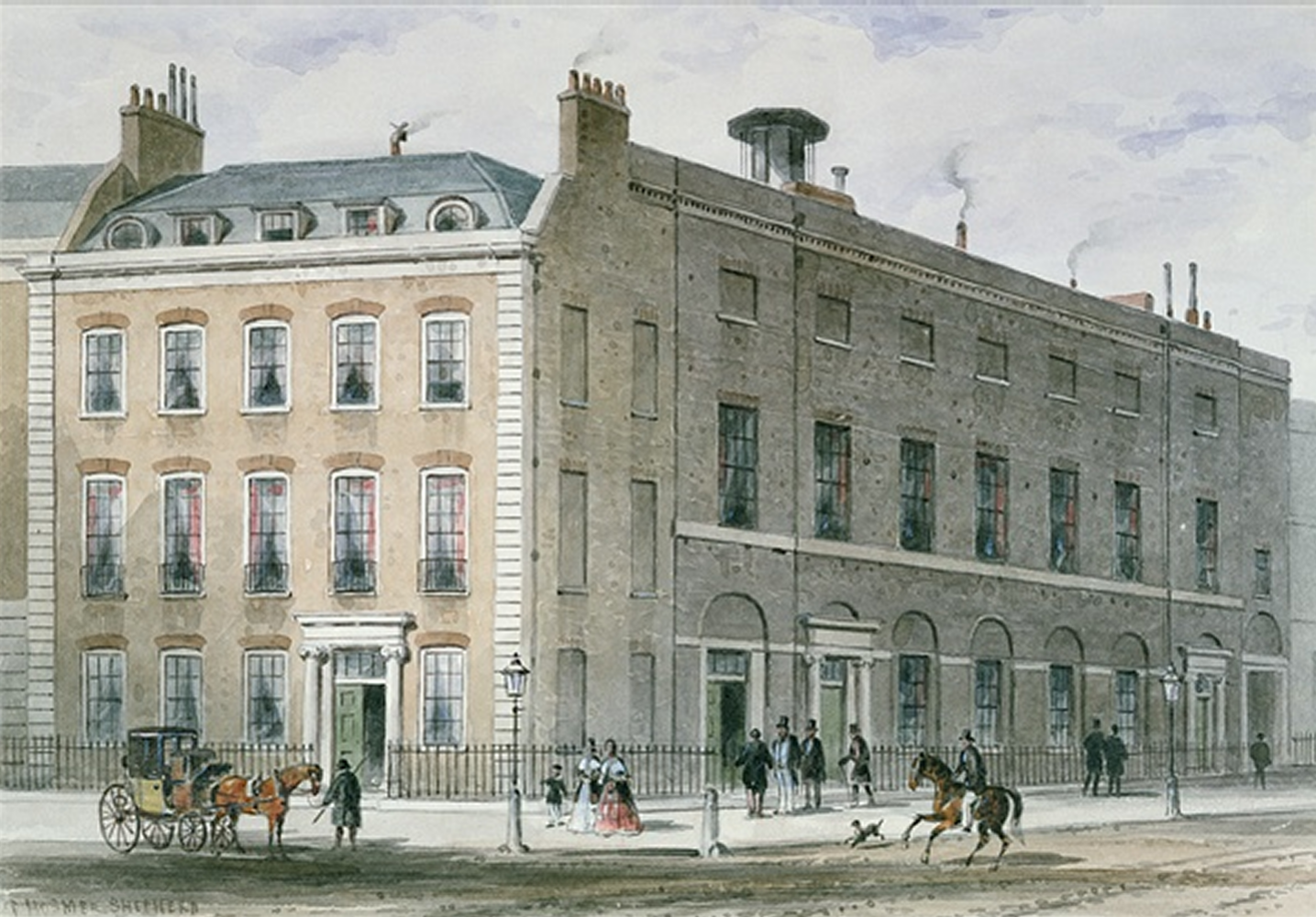
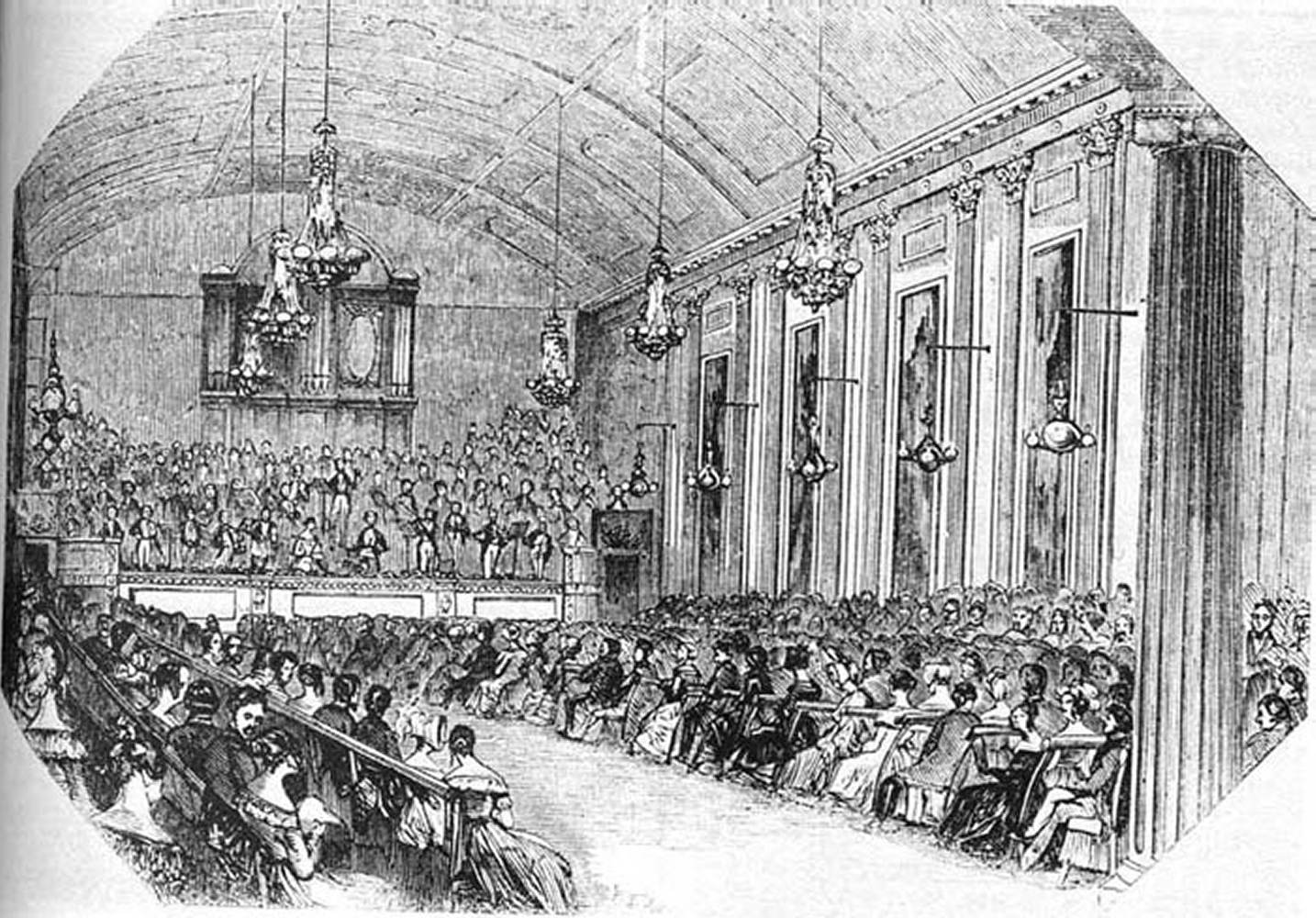
Lucy was the first female pianist to play for the Philharmonic Society and made a total of 19 appearances between 1822 and 1862. She was the first pianist to perform Beethoven’s Piano Concerto No. 5 (Emperor Concerto) with them and played Beethoven’s concertos more often than any other English pianist up to 1850. On the 24th April 1843 Lucy was the piano soloist in Beethoven’s Choral Fantasia at the Hanover Square Rooms in London.
In 1837, the music publisher Alfred Novello needed to borrow £30 in order to publish Mendelssohn’s Piano Concerto No. 2 in England. Lucy’s husband loaned Novello the money and in return Lucy received exclusive rights to perform the piece in England for 6 months.
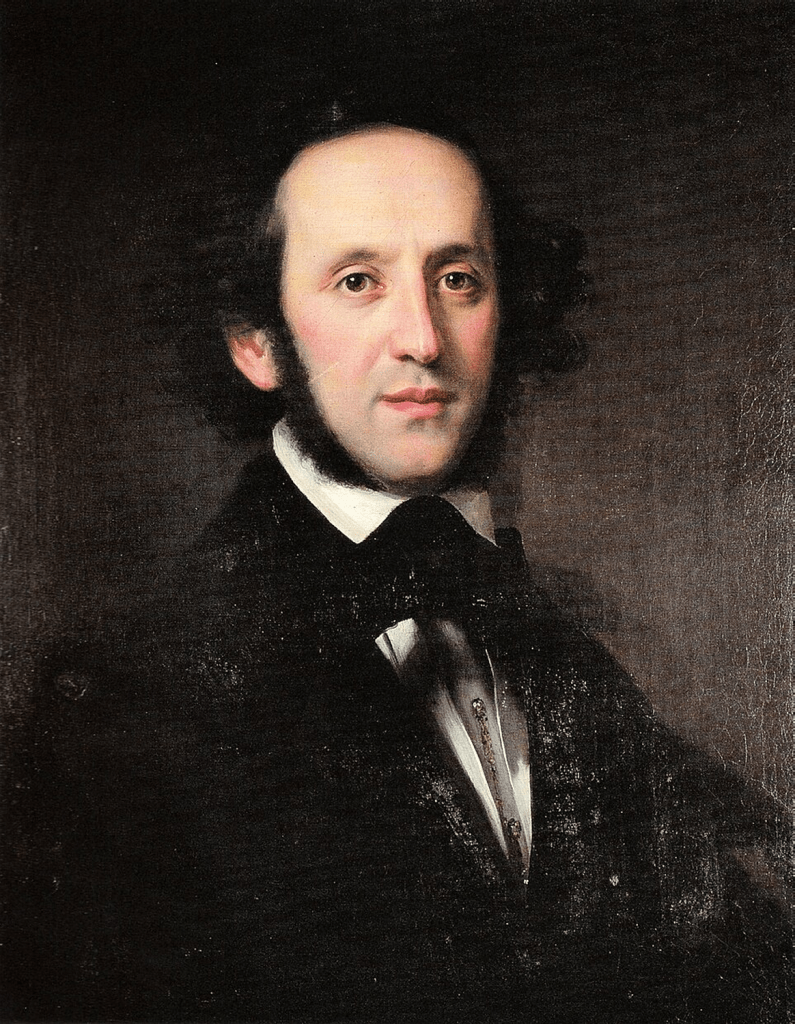
Such was Lucy’s ability that in 1832 Queen Adelaide, wife of King William IV and after whom Adelaide in Australia is named, appointed Lucy as her personal pianist. Remember, there was no radio, record player, or even the gramophone at this time. If one wanted to hear some music, perhaps after dinner, it had to be performed live.
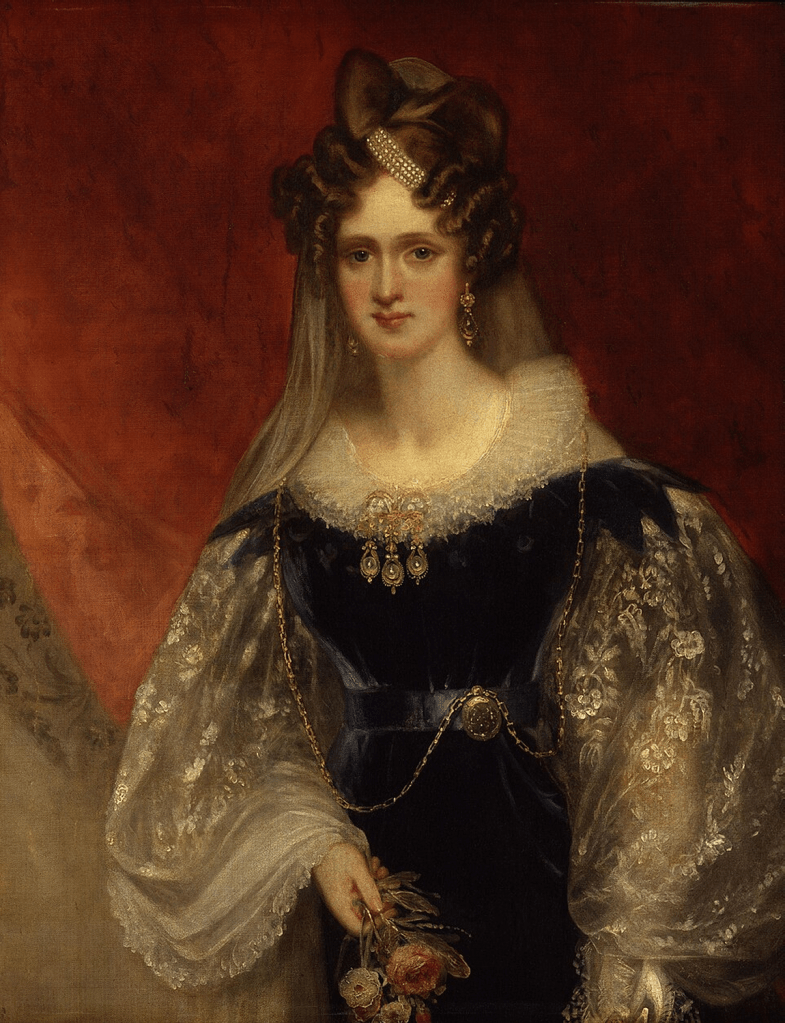
Around 1834 she began giving lessons to Princess Victoria. Upon the death of King William IV, Princess Victoria became Queen Victoria and she swiftly appointed Lucy as her personal pianist. Lucy would also go on to teach the piano to Queen Victoria’s children.
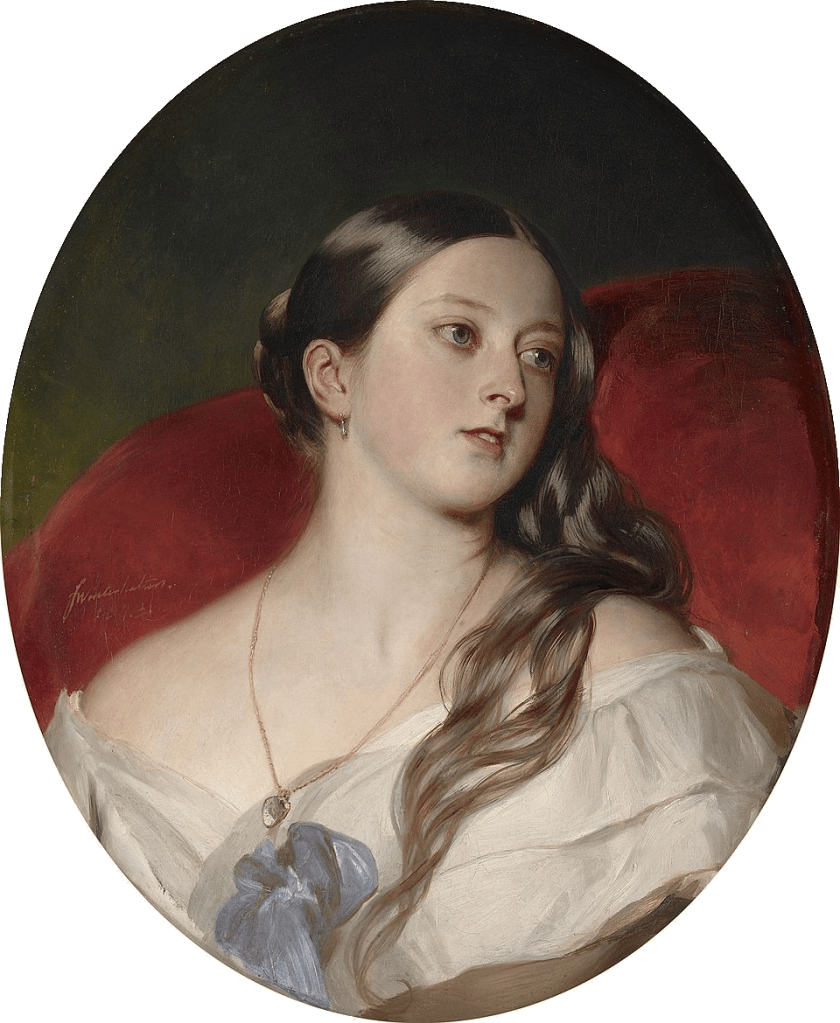
In 1848 Lucy’s husband, George, was appointed Master of the Queen’s Music. Lucy retired in 1862 and in 1869 became an honorary member of the Royal Philharmonic Society, a rare honour given just 154 times in the past 199 years. Her portrait hangs in the National Portrait Gallery.
When I discovered Lucy Anderson there were two of her letters available. I ummed and ahhed as to which I should buy before deciding to be extravagant and purchase both. So, lucky for you, reader, we have two letters to look at.
I shall begin with the letter I believe to be earliest; the second is not fully dated but I’ll explain in due course why I think it was written later.
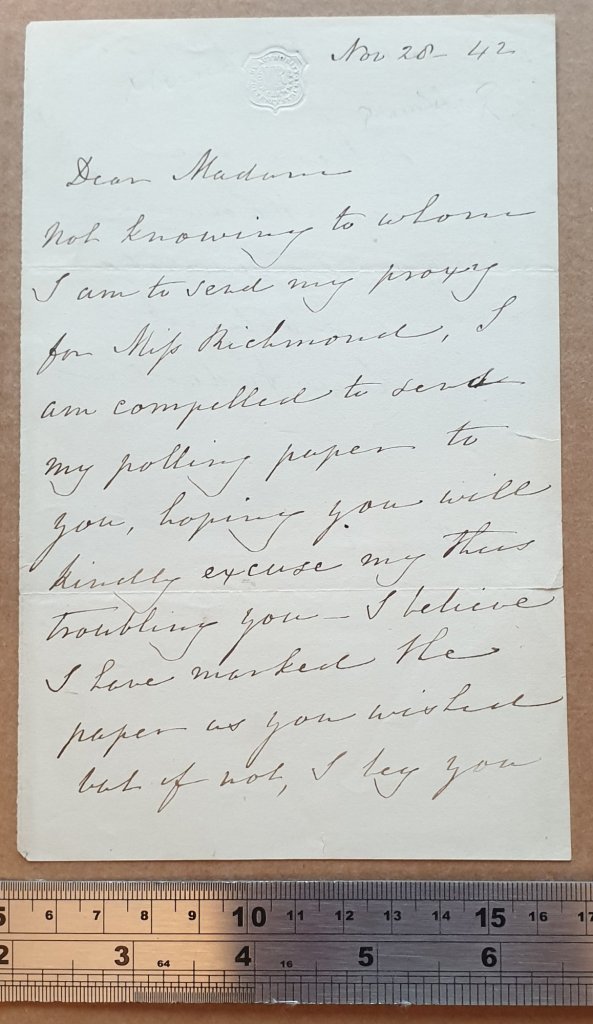
                        Nov 28-  42
Dear Madam,
Not knowing to whom
I am to send my proxy
for Mrs Richmond, I
am compelled to send
my polling paper to
you, hoping you will
kindly excuse my thus
troubling you - I believe
I have marked the
paper as you wished
but if not, I beg you
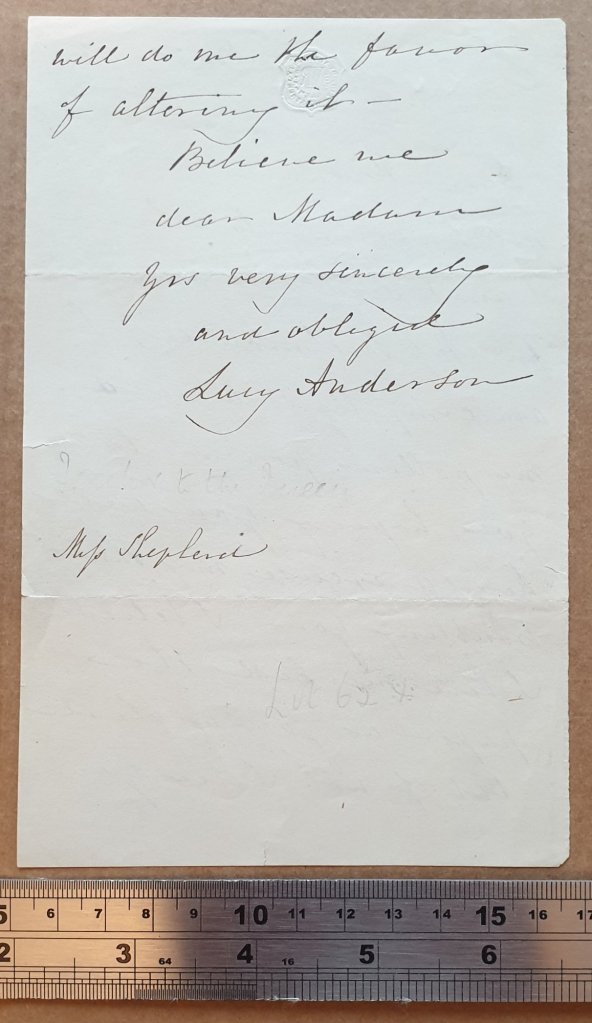
will do me the favour
of altering it -
    Believe me
    dear Madam
   yours very sincerely
    and obliged
   Lucy Anderson

Mrs Shepherd
This letter is fascinating because it talks about voting. Women could not vote in national elections so it may be societal rather than political. When time allows I’ll investigate and add any new findings to this page. Have a look at the embossing at the top of the page:
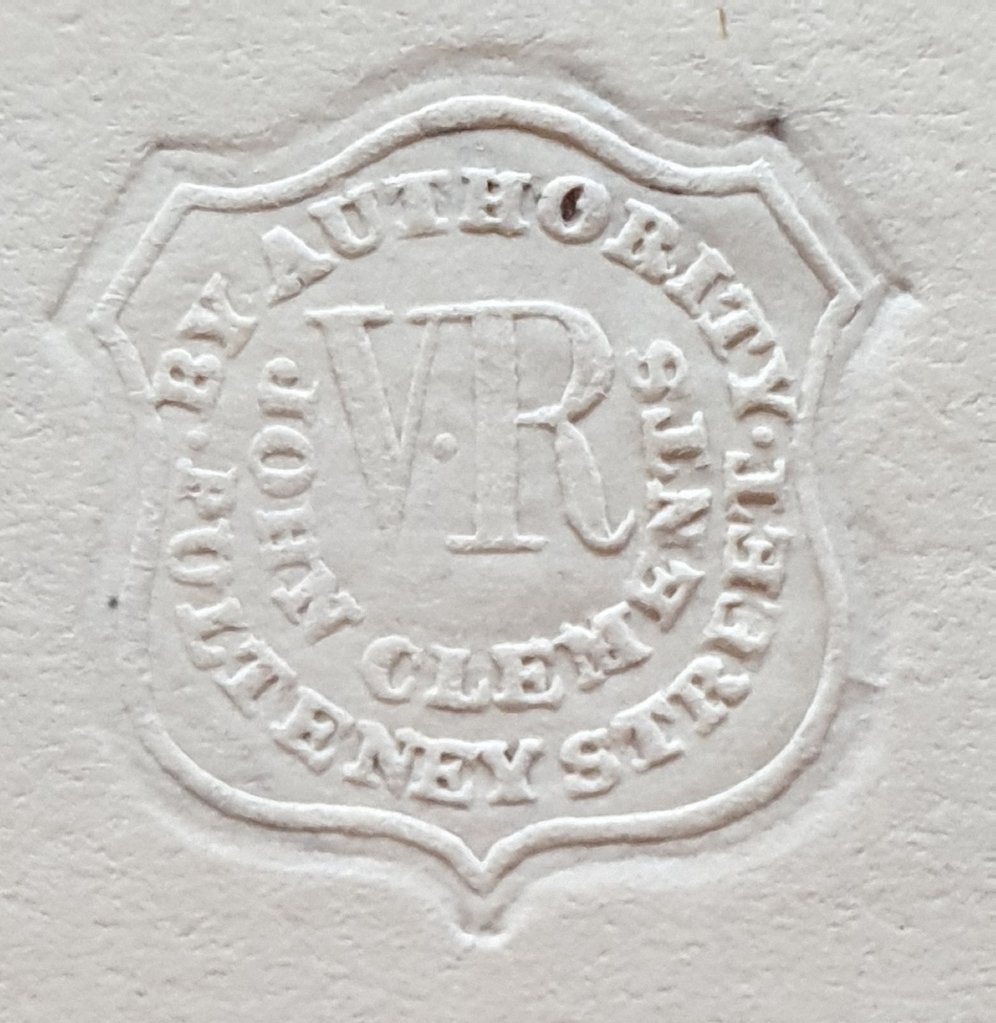
John Clements was a bookseller, stationer, and publisher at 21-22 Little Pulteney Street, just off Regent Street, in London. The address is today located at the eastern end of Brewer Street in Soho, W1.
And now to our second letter. This letter has to be more recent than the previous (1842) as Lucy says the Queen goes to Osborne after the 9th. Victoria and Albert purchased Osborne house in 1845.
Here is the letter. Please note, and note well, that the pencil scribblings are not mine. Some people, perhaps those with only a financial interest in such documents, feel free to write all over them, a practice I find abhorrent.
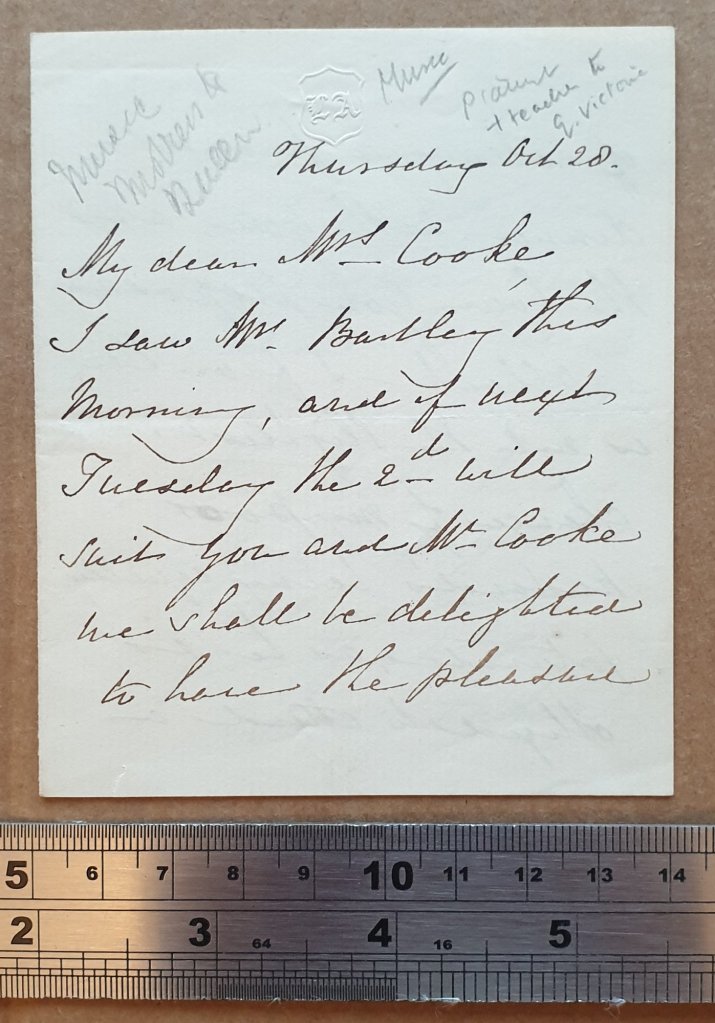
                   Thursday Oct 28.
My dear Mrs Cooke
I saw Mr Bartley this
morning, and if next
Tuesday the 2nd will
suit you and Mr Cooke
we shall be delighted
to have the pleasure
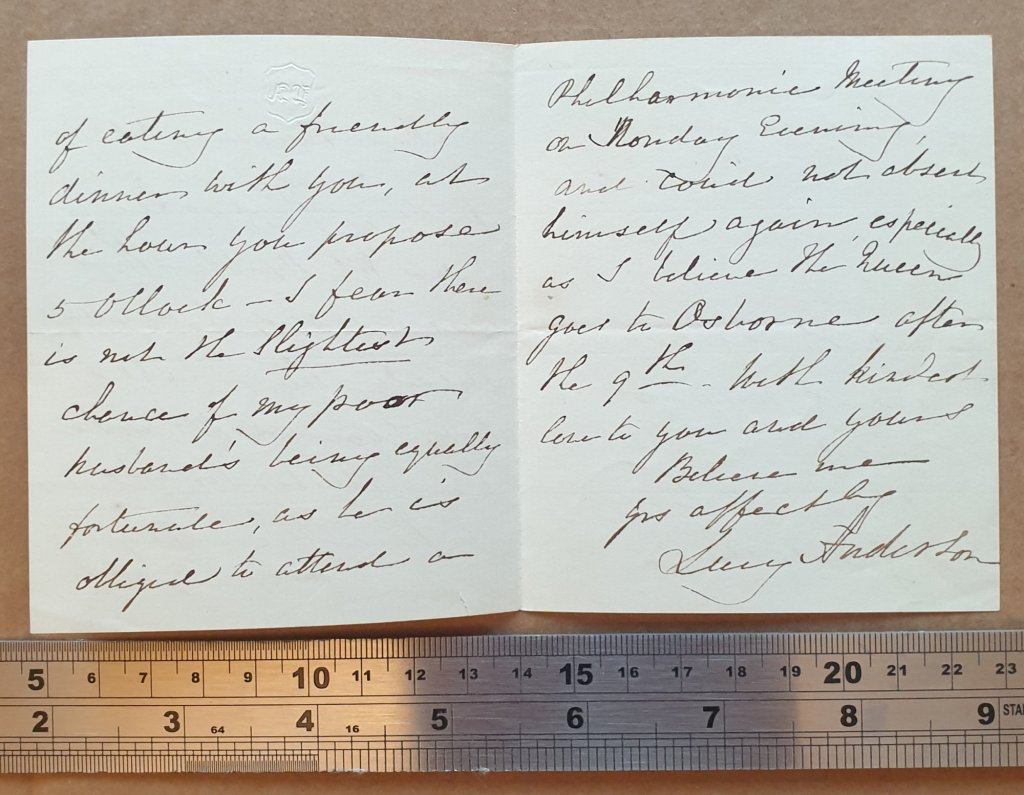
of eating a friendly
dinner with you, at
the hour you propose
5 o'clock - I fear there
is not the slightest
chance of my poor
husband's being equally
fortunate, as he is
obliged to attend a
Philharmonic meeting
on Monday evening,
and could not absent
himself again especially
as I believe the Queen
goes to Osborne after
the 9th.  With kindest
love to you and yours
     Believe me
    yours affectionately
     Lucy Anderson
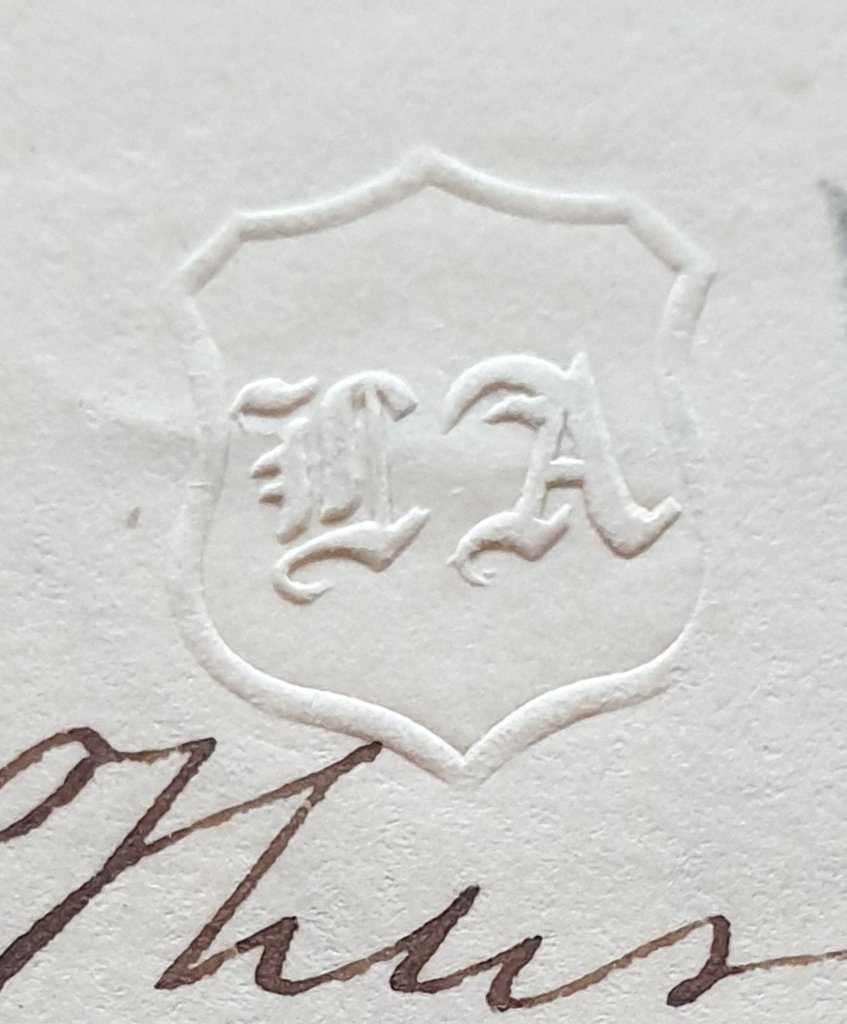
This letter has a new embellishment at the top, her initialled monogram LA:
I have spoken about hands in my About page. Lucy Anderson was a talented pianist and those fingers that so deftly worked their way up and down the keyboard of a piano, bringing enjoyment to many and deeply impressing not one but two queens, held these letters.
Lucy had exclusive rights to perform Mendelssohn’s Piano Concerto No. 2 for 6 months. There is a performance of this piece on Youtube by The West Bohemian Symphony Orchestra. The pianist is a young lady called Johanna Haniková. She’s not a million miles from Lucy Anderson, the intimate setting isn’t too different to venues that Lucy would have performed in, and the music is, of course, the same. If you have 20 minutes then have a listen, transport yourself back to the late 1830s, watch Johanna as she plays the piano and gain a new admiration for Lucy Anderson’s talent.
12th December 2025


Leave a comment