27th February 1859 – 14th February 1918
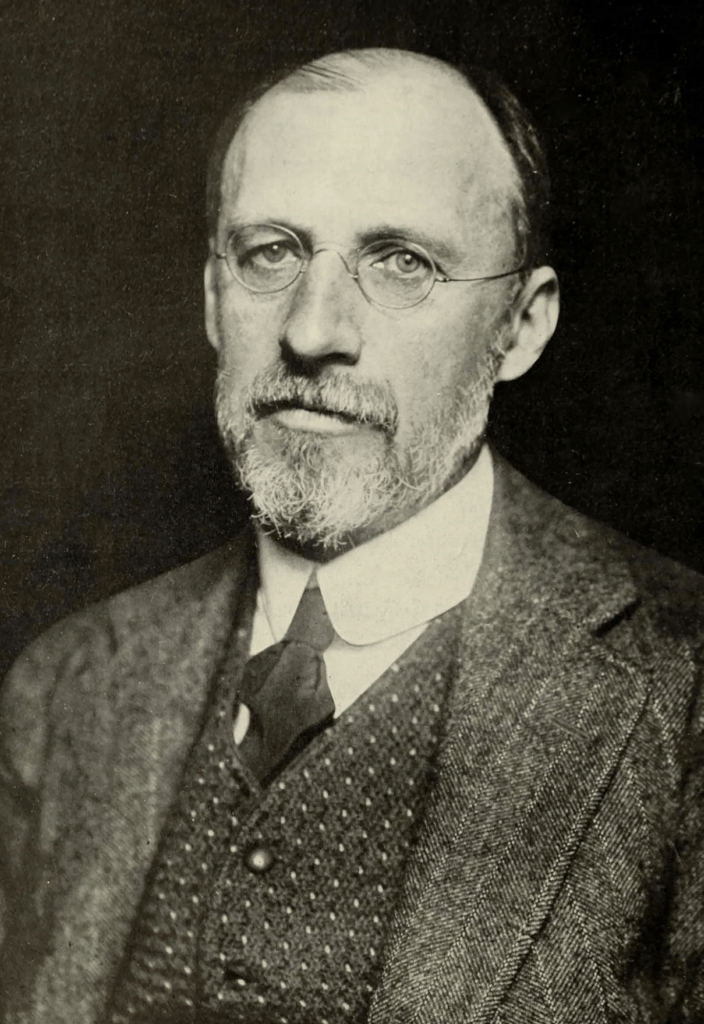
Sir Cecil Spring Rice was born into a prominent Anglo-Irish family. The son of a diplomat, his paternal grandfather was the Whig politician and former Chancellor of the Exchequer Lord Monteagle of Brandon and his cousin was Brigadier-General Frederick Spring, who presided over the court martial for cowardice of Harry Farr in 1916. When Sir Cecil was 11 his father died. Growing up in Ullswater in the Lake District, he was a sickly child and later suffered from Graves’ disease.
Sir Cecil was schooled at Eton and later attended Balliol College, Oxford, where he achieved a double first in Classical Moderations and Literae Humaniores. In addition to his studies Sir Cecil rowed for his college team. After university he travelled in Europe and became competent in French, which was then the language of diplomacy.
In 1882 Sir Cecil embarked on a career as a clerk in the Foreign Office. Four years later in 1886 he was appointed Assistant Private Secretary to future Liberal Prime Minister Lord Rosebery, who was then the Foreign Secretary. Later that same year the Conservatives came to power. Relieved of his position, Sir Cecil decided to enter the diplomatic service. His first posting was to the British legation in Washington, D.C. in 1887.
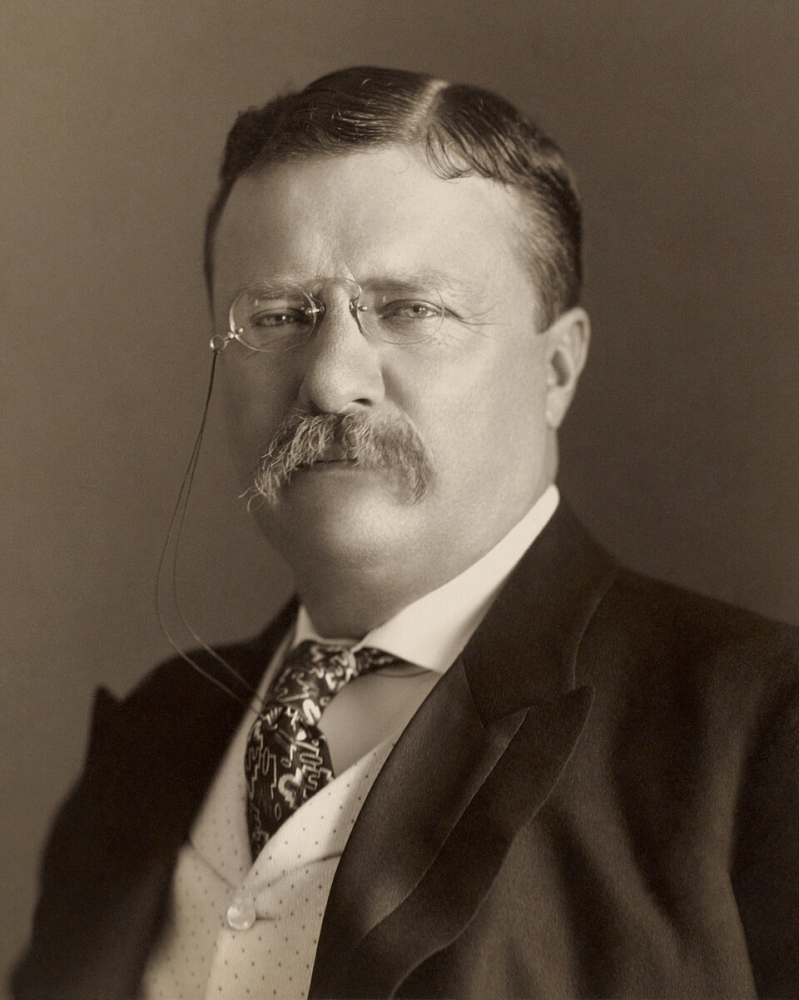
In December 1886, shortly before moving to Washington, Sir Cecil was Best Man at the London wedding of his close friend Theodore “Teddy” Roosevelt. 14 years later, in 1901, Roosevelt became Vice President of the United States before becoming the 26th President later that same year when the incumbent William McKinley was assassinated. Sir Cecil would take on the Best Man role once again for another of his friends in 1890, this time for J.P. Morgan Jr., heir to the American financial institution J.P. Morgan & Co.
Sir Cecil was posted to Japan in 1892 and played a key role in the creation of the Anglo-Japanese Alliance, which was effective from 1902 to 1923. After a short stint back in America, Sir Cecil found himself in Berlin in late 1895 and it was here he met his future wife. Florence Lascelles was the daughter of the British Ambassador to Germany. The couple married in 1904 and had a daughter and a son.
Sir Cecil was posted to Persia in 1899 and in March 1900 became the British chargé d’affaires in Tehran. The following year he moved on to Cairo, taking up the post of Commissioner of Public Debt. He stayed in Egypt for a couple of years and was promoted to Secretary of Embassy.
Sir Cecil’s next move was to St. Petersburg, Russia, where he was appointed First Secretary and Chargé d’Affaires. This was in 1903 with the Tsar and Royal Family still in charge, 14 years before the Revolution of 1917. Whilst in Russia Sir Cecil became increasingly aware that a war between the Russians and the Japanese was brewing and war did indeed break out in early 1904. Sir Cecil corresponded at length with his pal Teddy Roosevelt, who by now was well into his Presidency of the United States. They discussed America’s mediation efforts and the subsequent Treaty of Portsmouth, which ended the war in October 1905. For his efforts Roosevelt was awarded the Nobel Peace Prize. Also in 1905 Sir Cecil was appointed the Foreign Office’s special representative to the US President.
In 1906 Sir Cecil received his first posting as Ambassador when he returned to Persia. Two years later he became the British Ambassador to Sweden. Sir Cecil’s appointment came in the aftermath of the dissolution of the Union between Sweden and Norway and King Edward VII instructed Sir Cecil to help improve relations between the two countries. The British government was also concerned about the growing relationship between Sweden and Germany. Sir Cecil reported that if a war in Europe were to occur then it must be assumed that the Swedes would ally themselves with Germany. Sir Cecil spent 4 years in Sweden before moving on to his most prominent posting, that of British Ambassador to the United States.
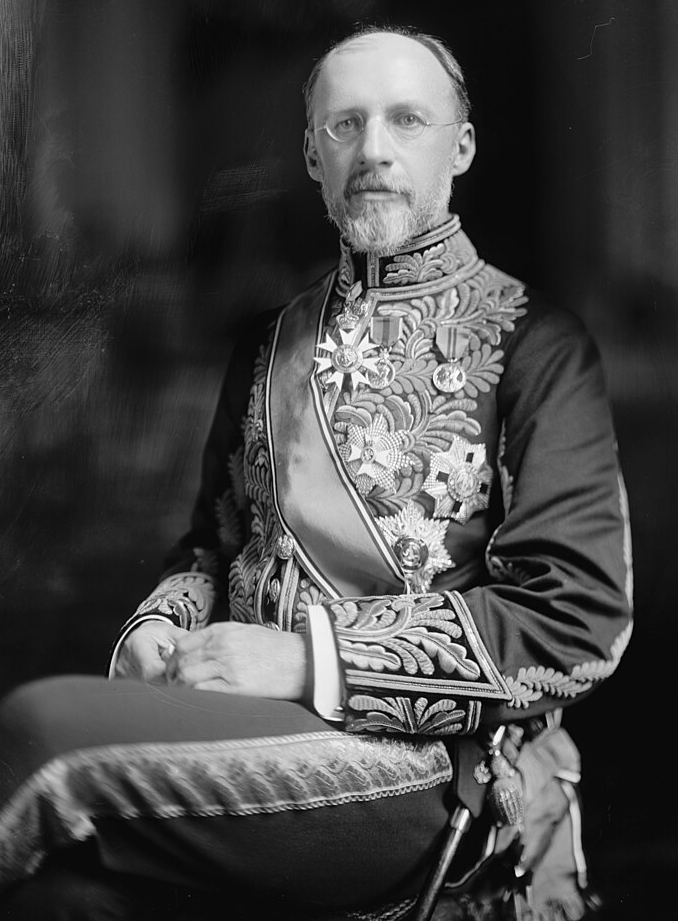
Two years after Sir Cecil moved to America the First World War broke out. The United States was neutral and there was a strong non-interventionist sentiment within the American political arena. The British government were keen to get America, with her industrial might, involved and Sir Cecil worked tirelessly to achieve this aim.
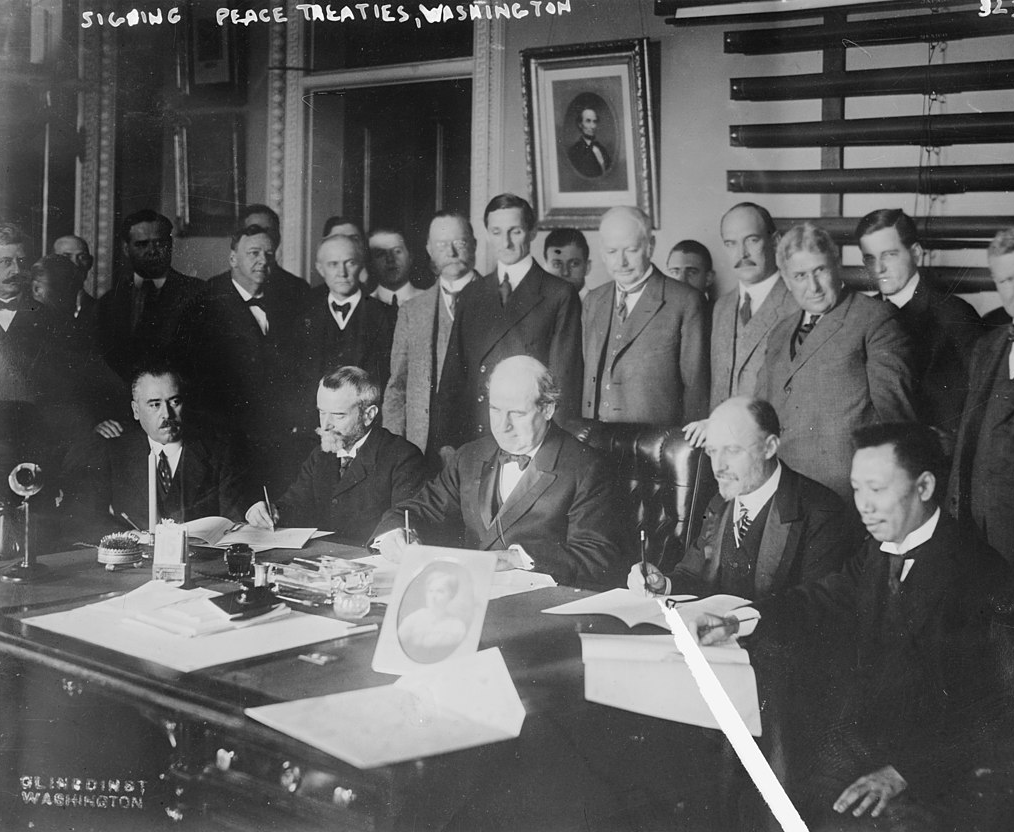
In January of 1917 Sir Cecil, on behalf of the British government, signed the agreement for the third US War Loan to Britain. It was worth the huge sum of $2.5bn, which is approximately $60bn in today’s money. A few months later, on the 6th April, Sir Cecil’s efforts to end US neutrality came to fruition when America declared war on Germany.
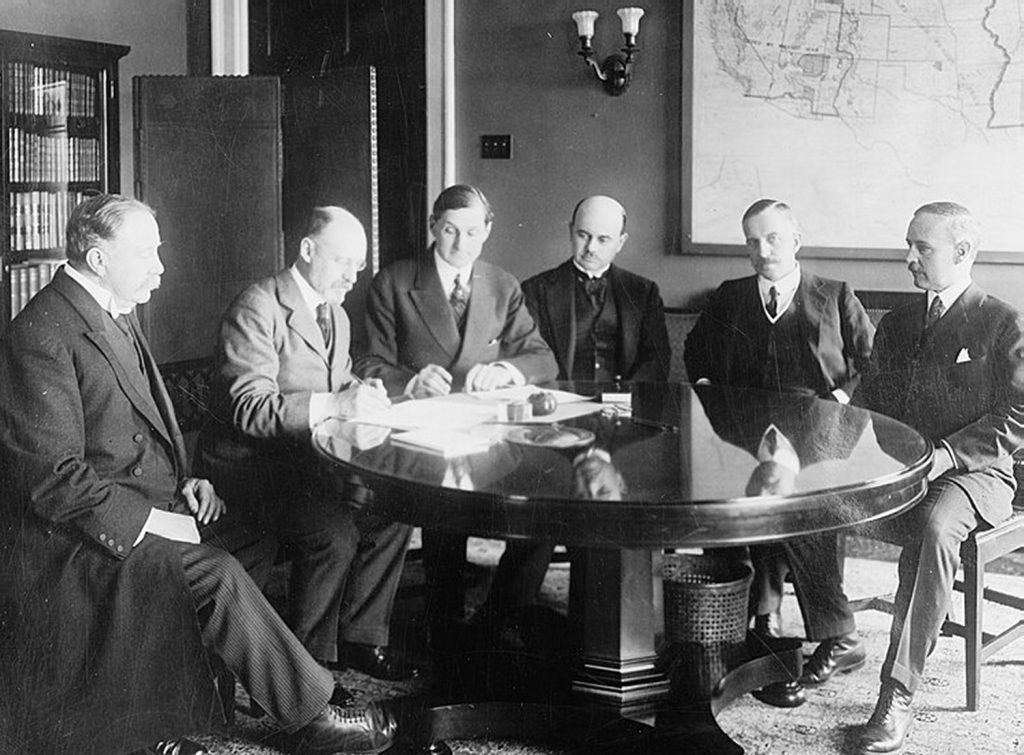
Sir Cecil himself would not live to see the end of the Great War. In January of 1918 he was suddenly replaced as Ambassador and recalled to London. Making his way back via Canada, he unexpectedly died on St. Valentine’s Day at Rideau Hall, the viceregal seat in Ottawa. He had been staying there as a guest of the Governor General of Canada, the Duke of Devonshire, who was his wife’s cousin. Aged only 58, it is believed that his underlying Graves’ disease combined with exhaustion and stress proved fatal. The sudden and unanticipated cessation of his duties as Ambassador, which for several years had been all-consuming, may also have contributed to his early demise.
Sir Cecil was a fluent speaker of French, German, and Persian. He translated numerous Persian poems into English and also wrote his own poetry. It is in this field that Sir Cecil is perhaps best remembered. A couple of years before the outbreak of the First World War he wrote a poem called Urbs Dei (The City of God), also known as The Two Fatherlands. The poem is concerned with the idea that a man is loyal to two realms: a temporal one and a heavenly one. In January 1918, shortly before leaving his Ambassadorial post in Washington, Sir Cecil rewrote the first verse of his poem. In light of the horrors of the ongoing conflict, references to the noise of battle and the thunder of her guns were replaced with themes of love and sacrifice. In 1921, three years after Sir Cecil’s death, the composer Gustav Holst was asked to create some music to go with the poem. Busy and over-worked, Holst was pleased to find that the words happened to fit rather well with a piece he had already written. Between 1914 and 1917 Holst had created an orchestral suite called The Planets. Within the Jupiter movement was a piece of music that would later be known as Thaxted. Sir Cecil’s poem and Holst’s music married up nicely and so the hymn I Vow to Thee, My Country was born.
I vow to thee, my country, all earthly things above,
Entire and whole and perfect, the service of my love;
The love that asks no questions, the love that stands the test,
That lays upon the altar the dearest and the best;
The love that never falters, the love that pays the price,
The love that makes undaunted the final sacrifice.

And there’s another country, I’ve heard of long ago,
Most dear to them that love her, most great to them that know;
We may not count her armies, we may not see her King;
Her fortress is a faithful heart, her pride is suffering;
And soul by soul and silently her shining bounds increase,
And her ways are ways of gentleness, and all her paths are peace.

Here is the original first verse:
I heard my country calling, away across the sea,
Across the waste of waters, she calls and calls to me.
Her sword is girded at her side, her helmet on her head,
And around her feet are lying the dying and the dead;
I hear the noise of battle, the thunder of her guns;
I haste to thee, my mother, a son among thy sons.
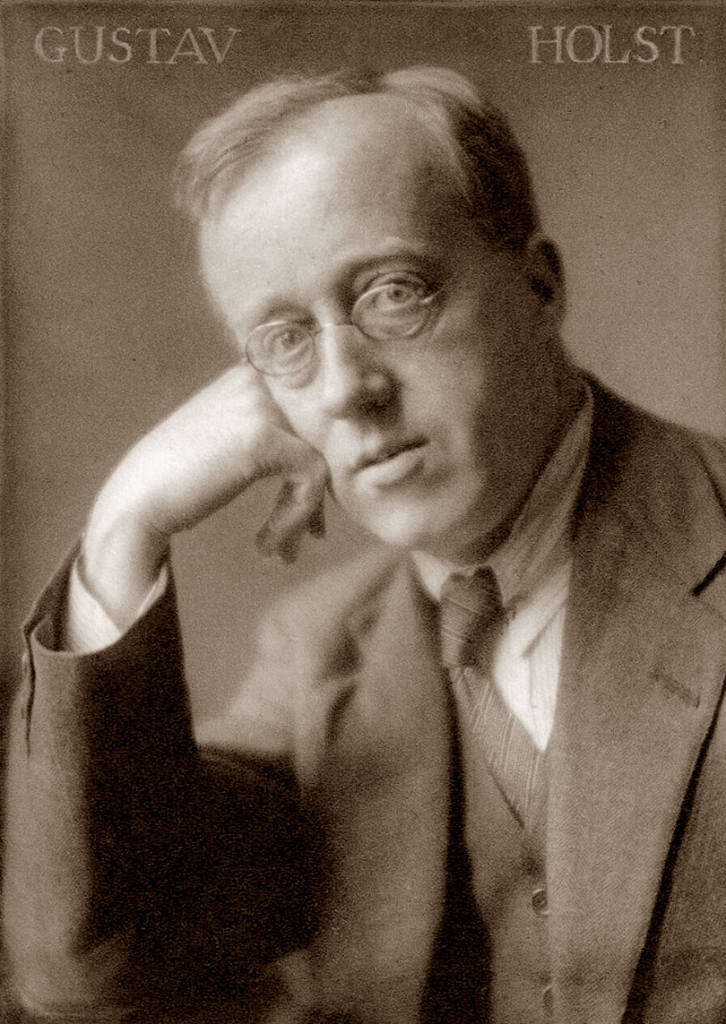
The hymn proved popular with the public and quickly became a mainstay of Remembrance Day ceremonies. Sir Cecil’s words have been sung at the funerals of Sir Winston Churchill, Baroness Thatcher, John McCain, and Princess Diana, as well as at the wedding of Princess Diana and Prince Charles.
And so to our letter. The first thing you’ll notice is that it was written on paper from the British Embassy in Washington. There is also a rather lovely embossing of the coat of arms of the United Kingdom. The letter is written to Mary Honora Spring Rice, who was Sir Cecil’s niece. Born in 1896, she would have been 17 when this letter was written. Honora would go on to marry Charles Booth, the son of the social reformer of the same name.
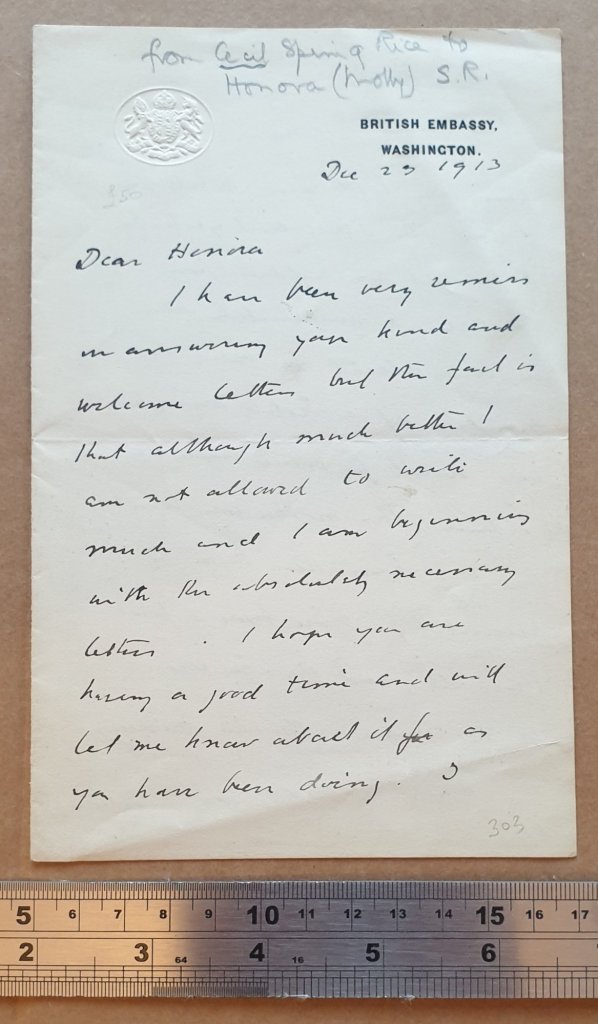
              Dec 23  1913
Dear Honora,
    I have been very remiss
in answering your kind and
welcome letter but the fact is
that although much better I
am not allowed to write
much and I am beginning
with the absolutely necessary
letters.  I hope you are
having a good time and will
let me know -------------
you have been doing.  I
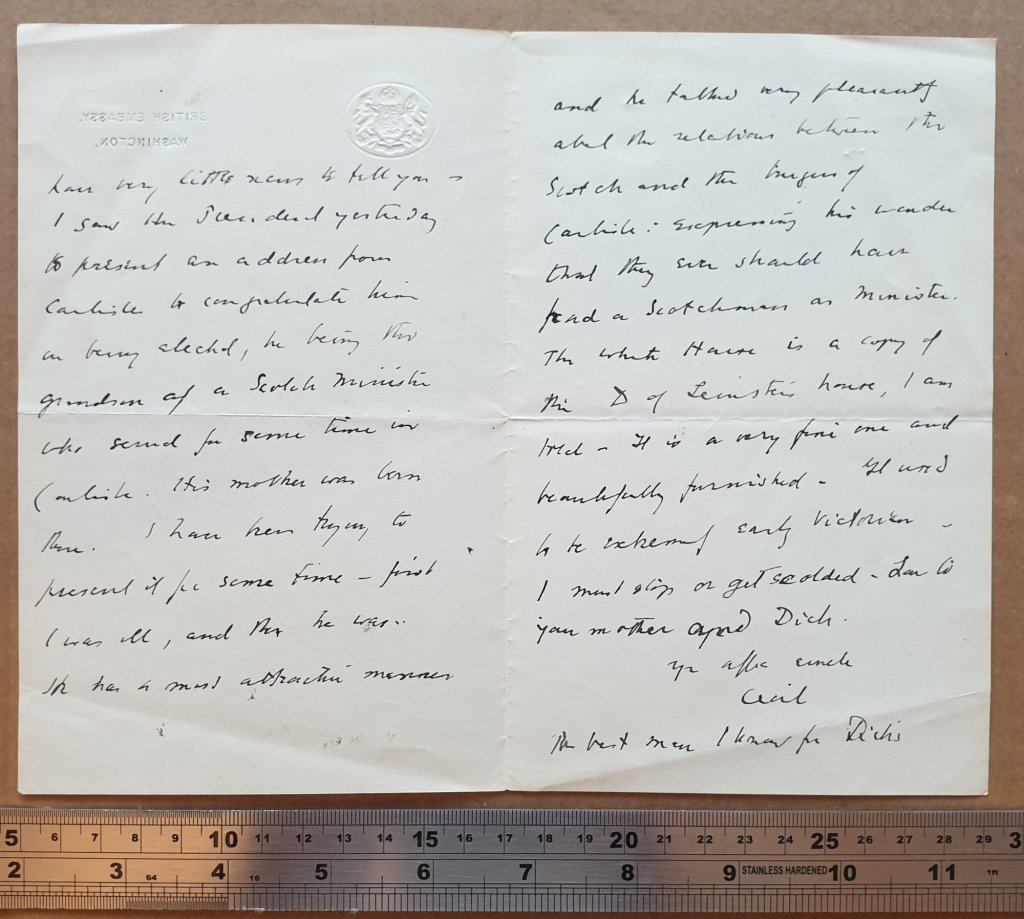
have very little news to tell you.
I saw the President yesterday
to present an address from
Carlisle & I congratulated him
on being elected, he being the
grandson of a Scotch minister
who served for some time in
Carlisle.  His mother was born
there.  I have been trying to
present it for some time - first
I was ill, and then he was.
He has a most attractive manner
and he talked very pleasantly
about the relations between the
Scotch and the burghers of
Carlisle : expressing his wonder
that they ever should have
had a Scotchman as minister.
The White House is a copy of
the D of Leinster's house, I am
told.  It is a very fine one and
beautifully furnished.  -------
to be extremely early Victorian.
I must stop or get scolded.  Love to
your mother and Dick.
          Your affec[tionate] uncle
                 Cecil
The best man I know for Dick's
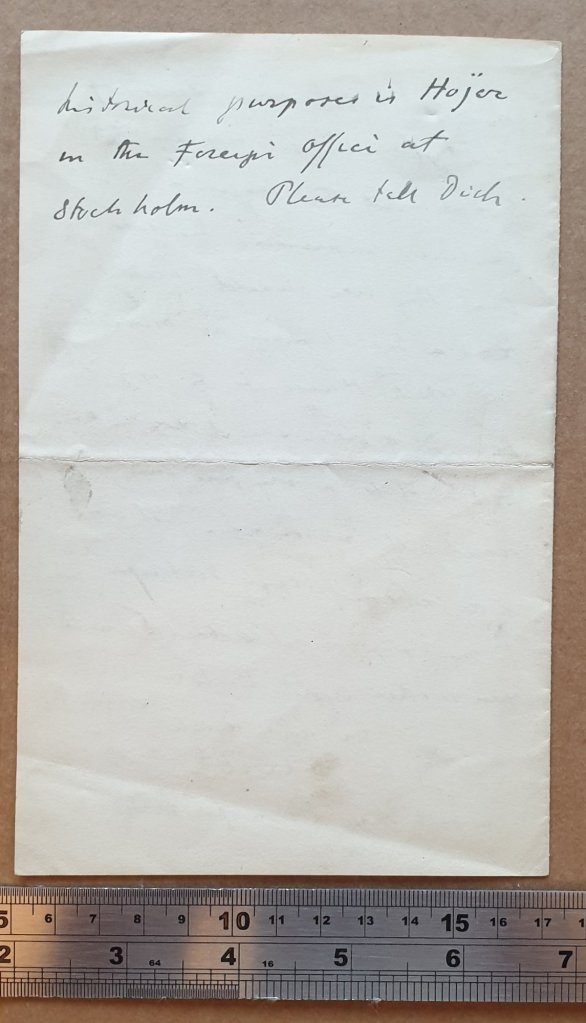
historical purposes is Hojer
in the Foreign Office at
Stockholm.  Please tell Dick.
This is a fascinating letter in that the author is talking about a conversation with the US President that took place just the day before. The President in question is Woodrow Wilson and Sir Cecil would soon have a battle on his hands attempting to shift the President from his non-interventionist stance. There is also a description of The White House, noting that it was modelled on the Duke of Leinster’s house in Ireland. In all, a brilliant letter from a man who played a key role in modern history and, despite his name perhaps being largely unfamliar, the fruits of his pastime pursuits are known to all on the 11th of November.
5th May 2026
 Brad's Letters
Leave a comment